solving the E-Signature challenge at lombard asset management


Mar 2021 – May 2021

Lombard’s fragmented, paper-heavy e-signature process caused drop-offs and financing delays, hurting user and business outcomes.

As the Lead UX Designer, I led the complete redesign of their e-signature platform to eliminate friction, build user trust, and create a seamless digital-first experience that would increase completion rates and user satisfaction.
My Role

Delivery Project Lead - UX/UI

Stakeholders

UX/UI Designer, React Developers, Backend Developer, Business Analyst and Architect

Company

Lombard Asset Management (UK)

Tools

Figma, FigJam, Adobe Photoshop, Jira and Confluence

Problem → Solution (Overview)

Lombard's asset financing platform lacked an integrated e-signature solution, forcing users through a cumbersome manual process that resulted in high abandonment rates and delayed approvals. Users faced multiple pain points that hindered their financing journey:

Problems Identified
  • High abandonment rates (70%) due to complex paperwork requirements involving printing, signing, and scanning.
  • Lengthy approval delays caused by back-and-forth document exchanges
  • Lack of clear guidance throughout the signing process
  • Fragmented multi-party signing for business applications
UX Solutions
  • Streamlined one-click e-signing with intuitive step-by-step guidance.
  • Built-in security indicators to establish trust and transparency as per GDPR Laws.
  • Multi-party signing workflow for collaborative business transactions.
  • Real-time status tracking to reduce uncertainty and follow-ups.

Research

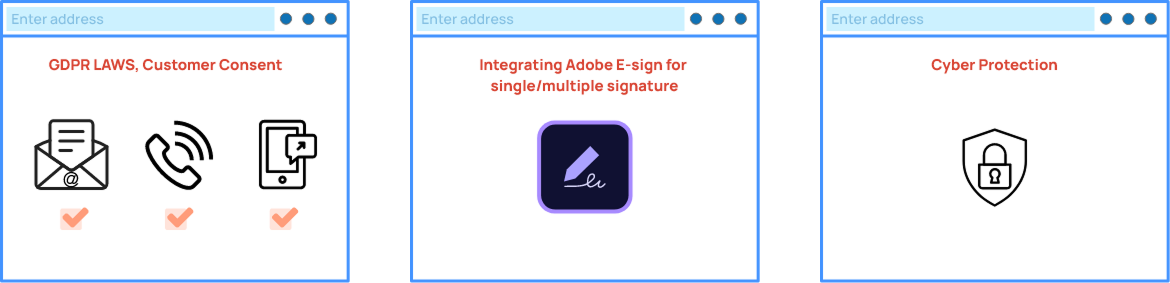
This project addresses three critical issues in Lombard's document signing process: obtaining proper user consent, streamlining multi-party e-signature workflows, and promoting Adobe E-sign adoption while ensuring GDPR compliance.

GDPR Compliance Challenge:UK companies must adhere to General Data Protection Regulation (GDPR) to protect European users during online transactions. Currently, Lombard's platform lacks proper consent mechanisms before collecting and using customer data.

Key Challenges:

1. Missing User Consent: Relationship Managers cannot legally contact customers via email, phone, or SMS without explicit consent for document signing processes.

2. E-signature Adoption: Users need guidance and encouragement to utilize Adobe E-sign for both single and multi-party document signing.

3. Security Assurance: Users must feel confident that their data and documents are protected throughout the e-signing process.

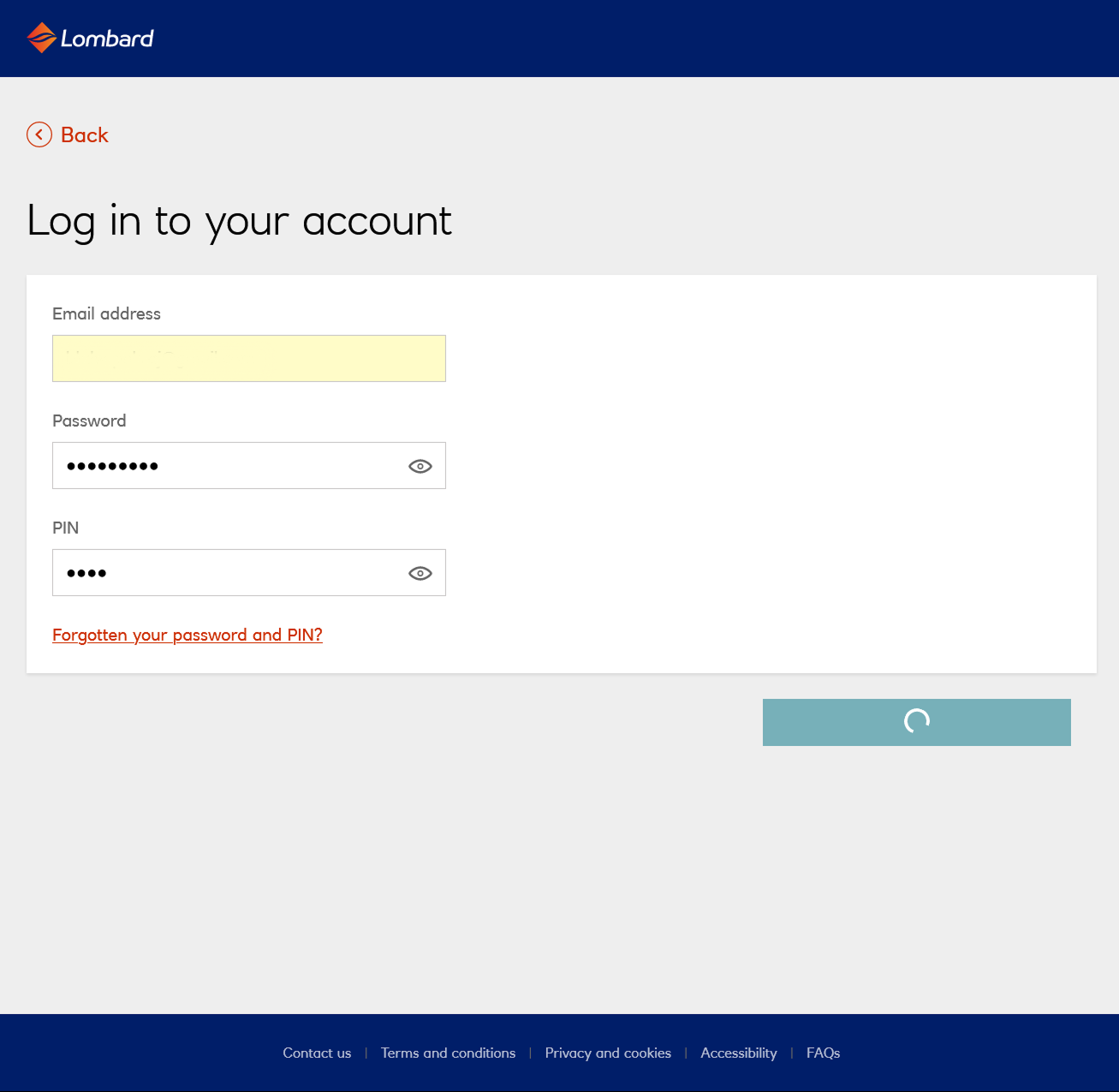
Current State: The existing platform allows registration with email and phone number but fails to capture necessary consent before sending quotes, finance approvals, or other communications to users.

Design

I focused on creating a trust-building, friction-free e-signature experience that would integrate seamlessly with Lombard's existing asset financing platform while addressing the specific needs of both individual and business users.

Design Objectives

Based on user research findings, I established core design principles:

Build Trust & Security
Transparent security indicators and GDPR compliance
Real-Time Tracking
Live status updates and progress indicators
Eliminate Friction
One-click signing with minimal steps required
Simplify Quote Flow
Simple Asset Quote creation to e-sign sign documents.
Multi-Party Support
Streamlined collaborative signing workflows
Seamless Integration
Native experience within existing platform
UI Workflow Enhancements

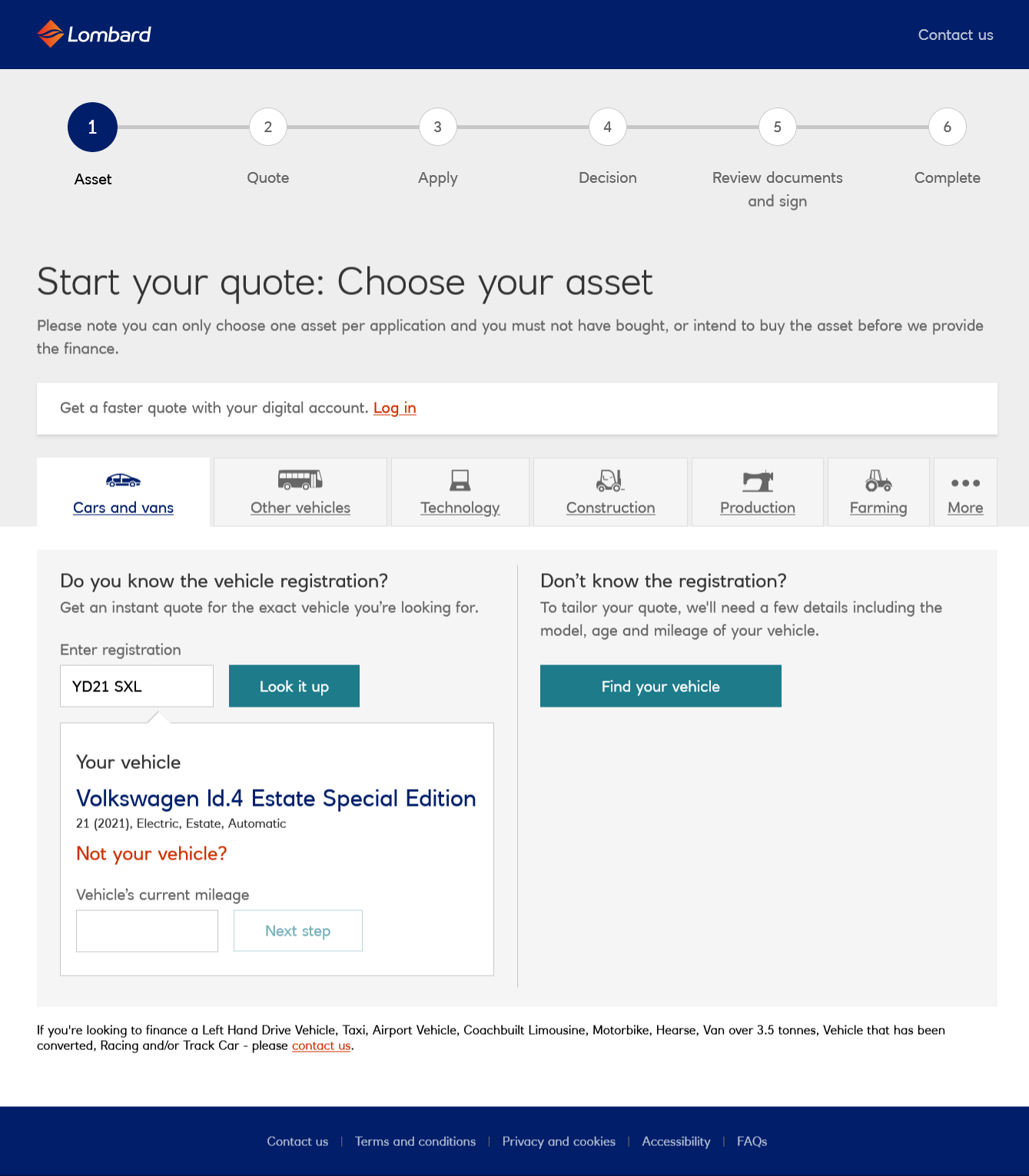
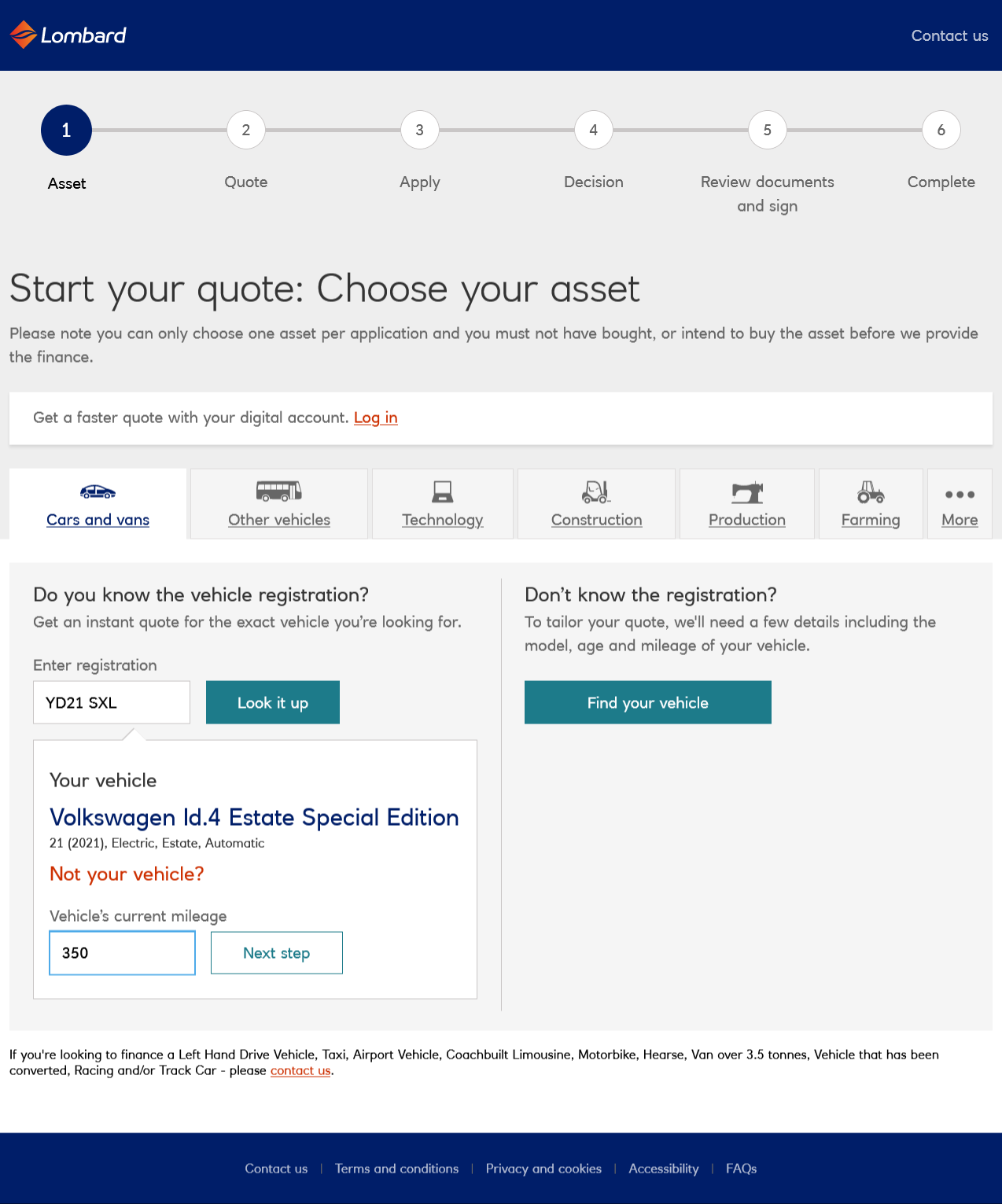
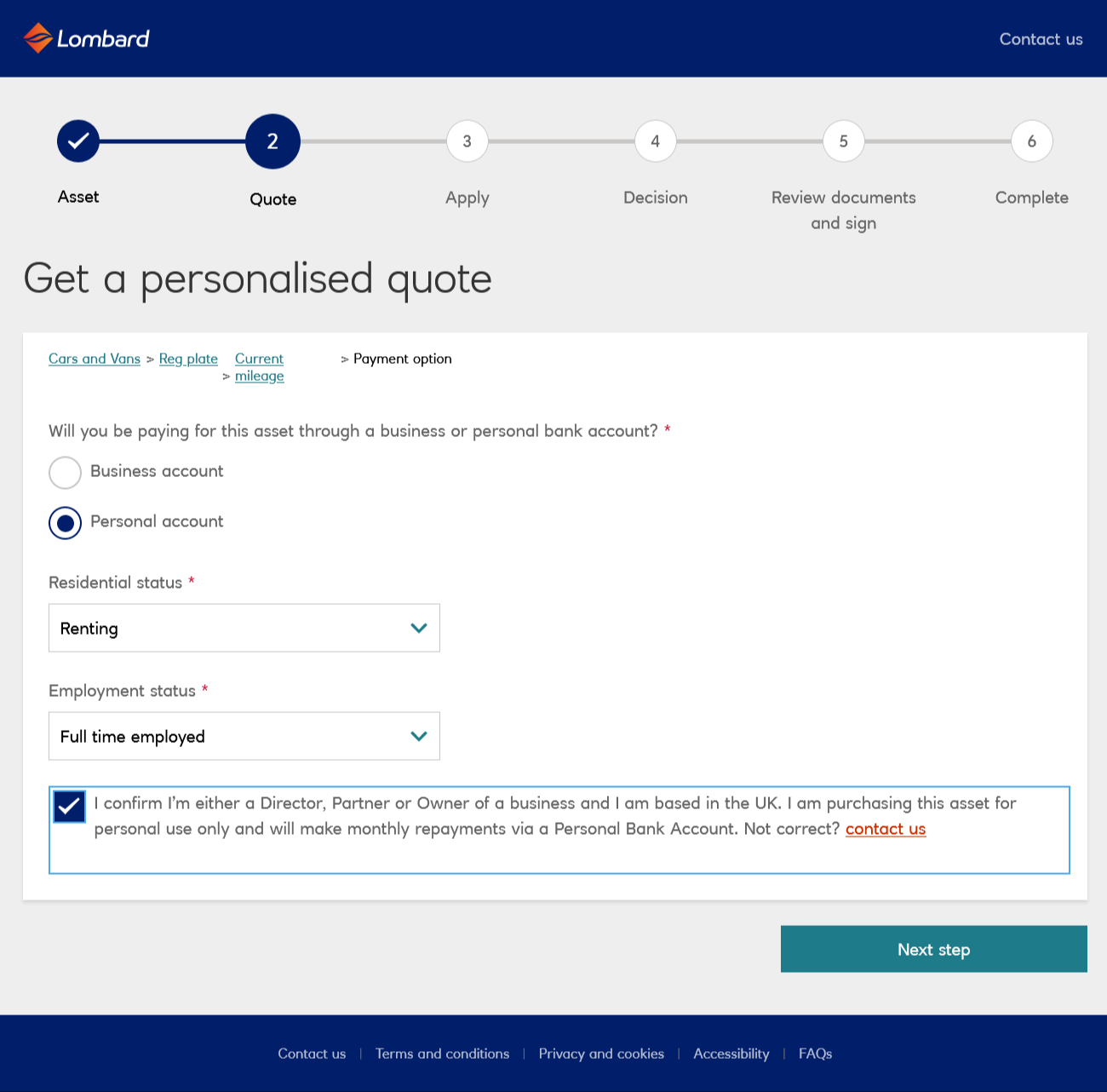
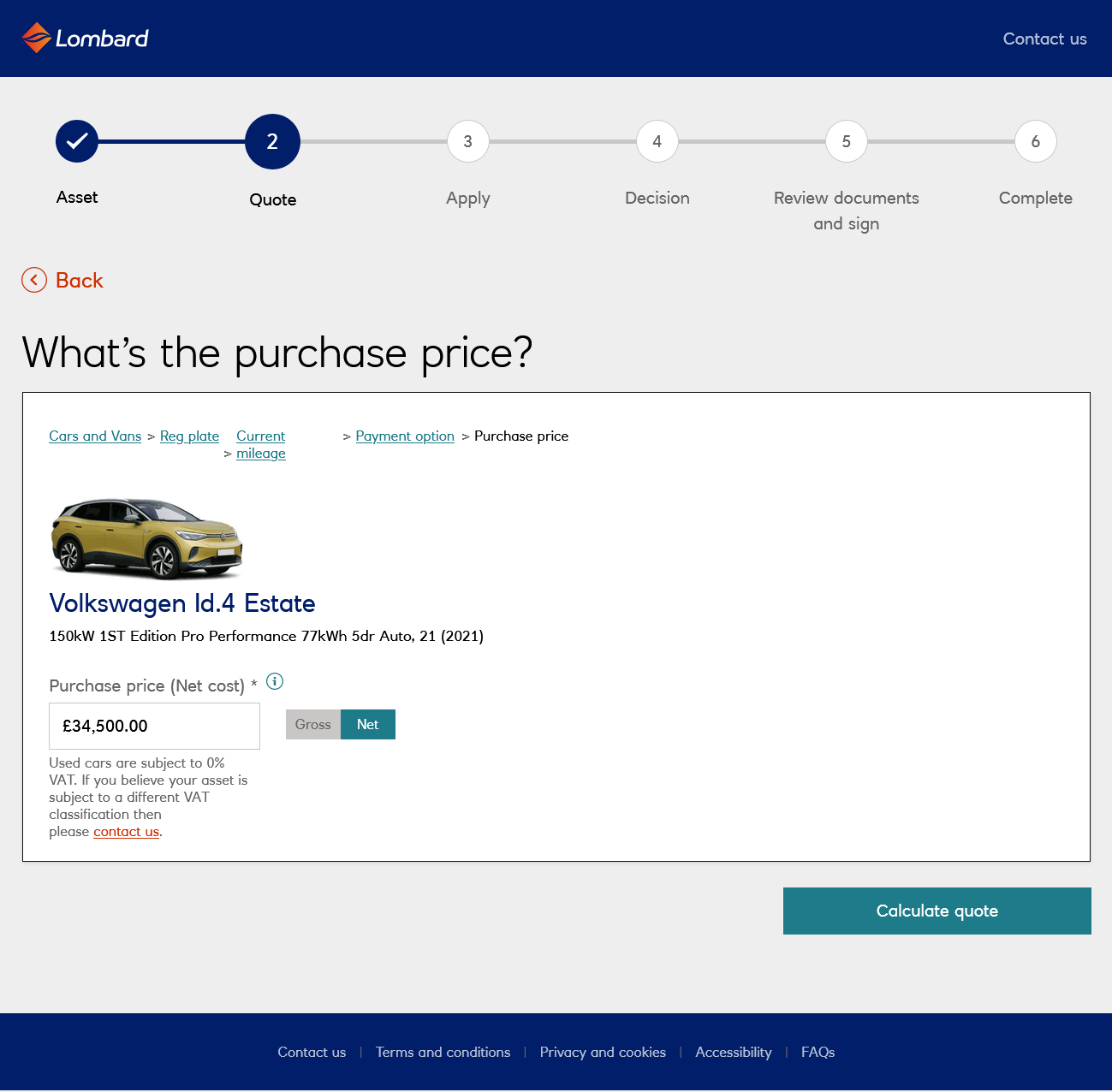
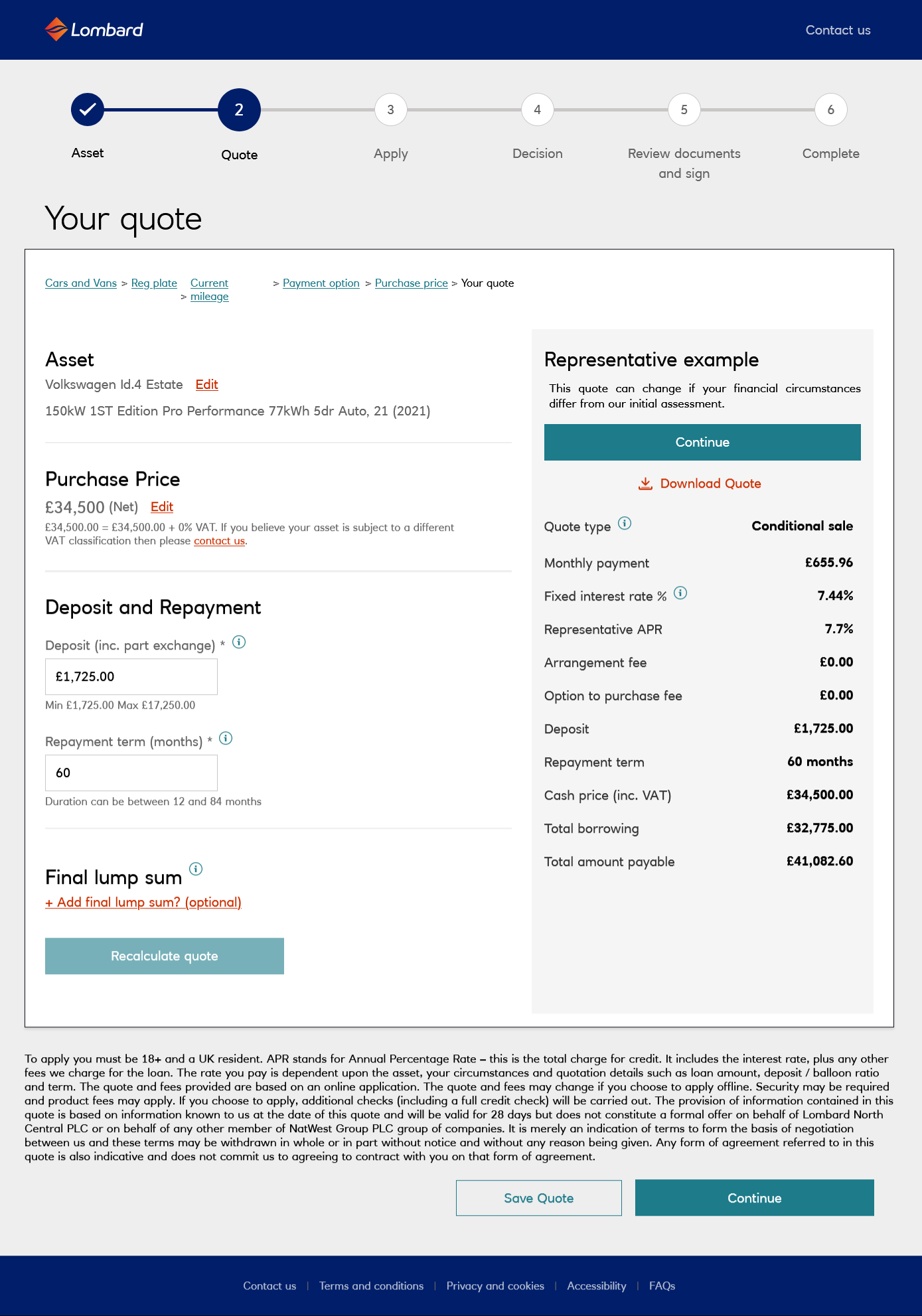
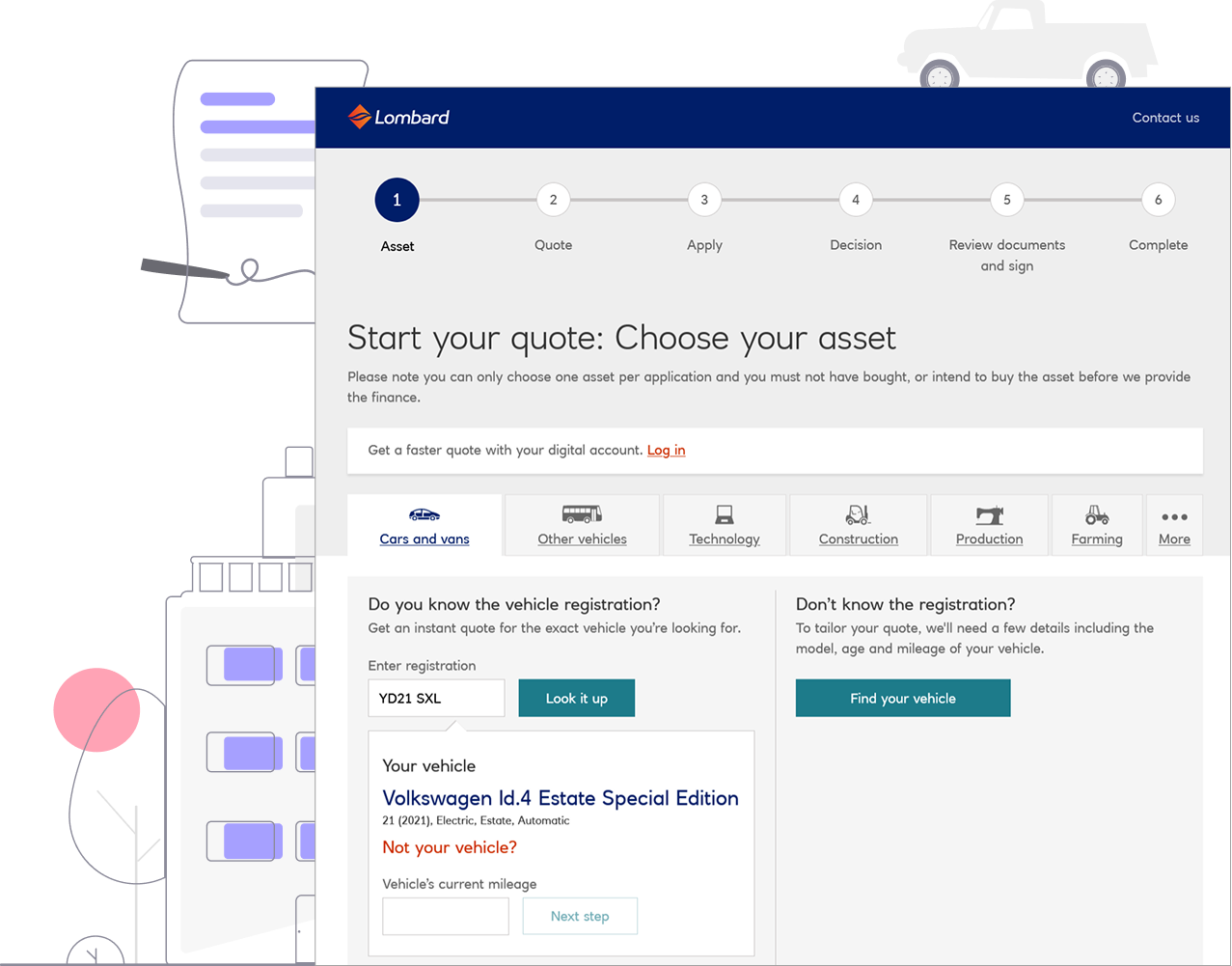
Rather than building a standalone e-signature tool, I integrated the signing experience directly into Lombard's existing user flows. Key improvements included:

This approach ensured users experienced e-signatures as a natural extension of their financing journey, rather than a separate, disruptive process.

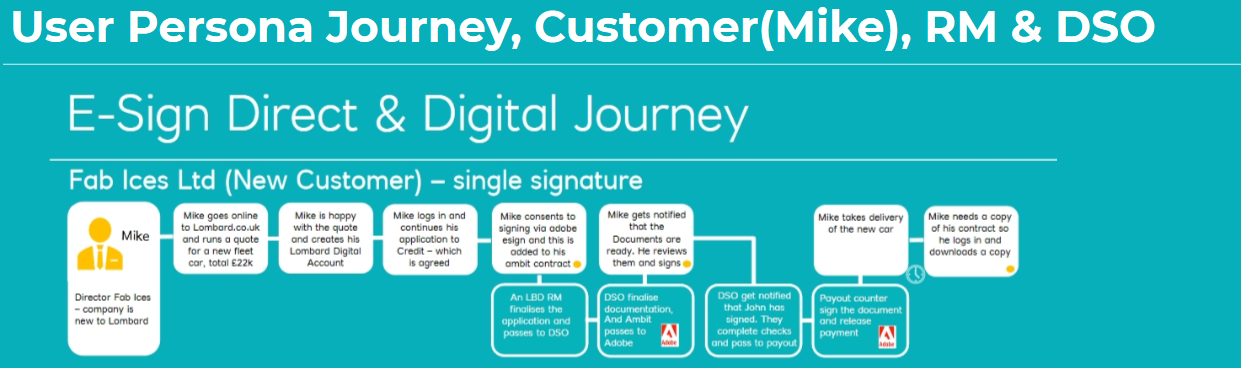
User Flow - E-Sign
User Flow Diagram
Design Features

Button Hierarchy: Implemented clear visual distinction between primary and secondary buttons, with appropriate disabled/enabled states to guide user actions.

Brand Consistency: Adhered to Lombard's existing style guide for form layouts, color palette, and typography to maintain brand coherence.

Content Organization: Structured and categorized information based on user context and workflow requirements.

Information Architecture: Designed a step-by-step wizard interface to match the sequential nature of the document signing process, ensuring logical task progression.

Implementation & Testing

I collaborated closely with the development team, legal compliance officers, and business stakeholders to ensure the e-signature solution met both user needs and regulatory requirements.

Weekly design reviews with engineering team for technical feasibility. Legal compliance workshops to ensure regulatory adherence. Security audits with IT team for data protection validation.

Testing Methods
  • A/B testing of different e-sign flows with 20+ users
  • Usability testing sessions with 15 participants across user segments
  • Security penetration testing to validate data protection measures

Outcome & Impact

Results Achieved
  • 40% increase in e-signature adoption within first 3 months
  • 30% improvement in user satisfaction scores based on post-completion surveys
  • 70% decrease in abandonment rates during the signing process
  • Enhanced security perception with 85% of users expressing confidence in digital signatures
Client & User Feedback

"The new e-signature process is a game-changer for our business. What used to take days now happens in minutes, and our customers love the simplicity"

The redesigned e-signature platform is now actively used across Lombard's financing products and continues to receive positive feedback from both individual and business customers.